Your logo dates back to 2015. Your website looks like it belongs to a startup, even though you’re now an established company. Your customers are still asking you about services you no longer offer. If any of this sounds familiar, you’re not alone.
Rebranding isn’t just about aesthetics. It’s a strategic exercise that can transform your business. But be careful: done poorly, it can cost you dearly in credibility and money. Done well, it can reignite your growth and clarify your position in the market.
Why Rethink Your Visual Identity?
Let’s start with the why, because that’s what really matters.
Your brand should reflect who you are today, not who you were five years ago. A brand that no longer resonates with its target audience loses relevance, and that’s exactly where things start to go wrong. Consumer preferences shift. The market evolves. Your competitors innovate. And you? You’re stuck with an identity that no longer speaks to anyone.
A rebrand answers several concrete needs. First, it lets you strengthen your market positioning and differentiate yourself from competitors. Second, it improves how people perceive your company. A modern image attracts new customers while reassuring existing ones that you’re able to evolve.
And there’s an internal dimension too, one that gets overlooked far too often. Reworking your brand identity also impacts your employer brand and helps you attract new talent. A strong identity makes people want to join the journey. It builds pride among your employees.
One study found that 25% of marketers saw a 20% increase in revenue thanks to consistent brand communication. Those numbers don’t lie. A well-thought-out brand pays off.
The Signals That Tell You It’s Time for a Change
How do you know it’s the right moment? Here are the warning signs.
Your company has pivoted. A significant shift in company strategy may call for a rebrand to reflect these new directions. If you now sell eco-friendly products while your image still reads as a conventional company, there’s a disconnect — and that disconnect is costing you credibility.
Your sales are stagnating or declining. Competitors are gaining ground while you lose market share. A brand that no longer resonates with its target audience loses relevance. It’s as simple as that.
You’re targeting international markets. When a brand is planning international expansion, reworking its visual identity may be necessary to make sure it’s properly aligned with that goal. Take the example of Voiturelib, which became Drivy to ease its expansion. A shorter name, more international, easier to pronounce everywhere.
You’re facing an image crisis. Rebranding can be the right move after a bad-buzz situation: a company hit by a crisis reworks its brand identity to shed negative associations in consumers’ minds. It’s a rebuilding strategy.
How to Nail Your Rebrand: The Method
Now let’s get to the how, because good intentions alone aren’t enough.
Start with Analysis
At this stage, it’s crucial to understand why the rebrand is necessary and what goals it’s meant to achieve. Ask yourself the real questions. What’s no longer working? Why don’t your customers recognize you anymore? What image do you want to project?
Don’t skip this step. Too many companies dive straight into design without thinking through the strategy first. The result? A pretty logo that doesn’t mean anything.
Define Your New Identity
This is the stage where your brand’s new mission, vision, and core values get defined. Who are you, really? Who do you work for? What makes you unique? These questions deserve clear, honest answers.
Look at Airbnb. In 2014, they created the “Bélo” logo. This logo carries deep symbolism: it represents a person, an “A” for Airbnb, the location pin symbol, and a stylized house, all within a single circle. Simple, but powerful. Every element tells a story.
Involve Your Teams
To help your employees embrace the rebrand, it’s essential to involve them from the very start of the project. Hold meetings. Explain the reasons behind the change. Gather their ideas. Your employees are your first ambassadors.
Airbnb understood this well. The Airbnb team invited community members to share their thoughts on what the platform meant to them and to suggest ideas for the new logo. This approach creates a sense of belonging.
Build Your New Visual Identity
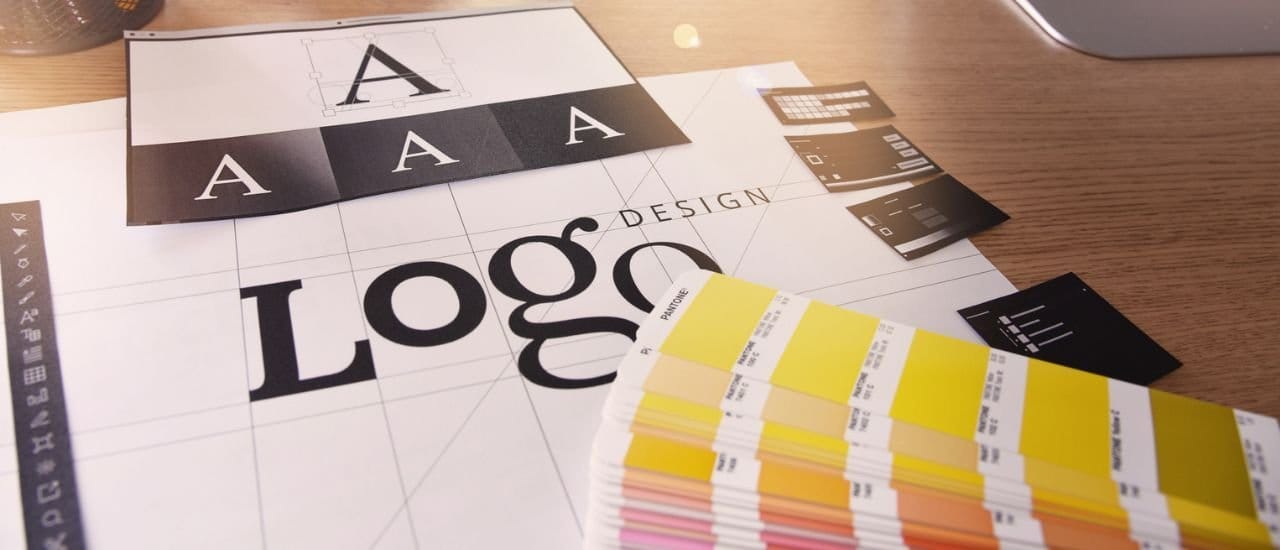
Logo, colors, typography, brand guidelines — everything needs to be consistent. But above all, everything needs to mean something. A fresh, modern visual presentation can boost interest in the brand and attract new customers.
In Switzerland, the budget varies depending on the scale of the project and your specific needs. Projects for startups and SMEs can start from CHF 500, while large-scale projects with well-known agencies require investments around CHF 20,000. The budget depends on the scope of the project and your specific needs.
If you’re looking for professional support for your rebrand, Mondi Agency can guide you through this transformation. From strategy to execution, a clear approach makes all the difference.
Prepare the Launch
Consider organizing a promotional campaign to introduce your new brand strategy to consumers. Teasing can build interest — teasers, staged announcements, content that explains your approach.
Don’t reveal everything at once without preparation. Google did this smartly during its 2015 rebrand. This well-orchestrated launch let Google generate massive media coverage and rapid adoption of its new logo.
Roll It Out Everywhere
This means updating the visuals across all your communication materials: website, social media, packaging, brochures, business cards. Think about the details — your email signature, your website favicon. Everything counts.
On launch day, everything needs to be aligned. Otherwise, you lose the impact of the change. Consistency is your best ally.
Mistakes You Absolutely Must Avoid
Changing without a strategy. Changing your logo or visual identity without having defined a vision, a positioning, or clear objectives can leave your brand open to confusion. This is mistake number one. You need to know why you’re changing before you change.
Losing your reference points. Consumers recognize a product through its visual identity, particularly the logo’s color code. When rebranding, they can lose that anchor. The solution? Keep some recognizable elements. Apple has changed its logo several times, but the apple itself has stayed.
Ignoring the criticism. When Airbnb launched its new logo in 2014, criticism, parodies, and jokes poured in, most of them built around the new logo resembling a crude anatomical illustration. But they held firm. They confidently explained the logo’s meaning and defended their vision, and eventually the narrative shifted in their favor.
Not measuring the results. To measure and evaluate the effectiveness of your new marketing and communication strategy tied to the rebrand, you can set up tracking for key performance indicators. Follow how things evolve. Adjust if needed.
Examples That Inspire
Microsoft in 2012. Facing Apple and Google, Microsoft decided to adopt a more minimalist logo aimed at modernizing the company’s brand image and strengthening the competitiveness of its software. The result? The company stayed in the race, while Nokia disappeared.
Airbnb in 2014. Their visual rebrand extended to every part of the brand, creating a unified look that said “Come stay with us, no matter who you are.” The rebrand cemented their position as a leader in the sharing economy.
Apple in the 1990s. Steve Jobs changed the name from Apple Computers Inc. to simply Apple Inc., dropping the limitation that suggested the company only specialized in computers. This change paved the way for the iPad, the iPhone, and the iPod.
All these brands understood one thing: a successful rebrand is never just a cosmetic touch-up. It’s a strategic statement of intent.
How Long Does It Take?
Let’s be realistic. The branding process follows an iterative path that includes research, competitive analysis, concept creation, visual development, and rollout, and it can take anywhere from a few weeks to several months.
A light refresh takes a few weeks. A full rebrand with strategic repositioning can take several months. It all depends on the scope of the project and your level of involvement.
Don’t rush anything. Better to take the time to do it right than to end up with a shaky identity.
The Final Word
A rebrand isn’t a luxury. Sometimes it’s a necessity to stay competitive. But it needs to be thoughtful, strategic, and consistent.
Ask yourself the right questions. Why do you want to change? Who are you doing it for? What needs to change, and what needs to stay? These answers will guide the entire process.
And above all, don’t forget: your brand is so much more than a logo. It’s a promise. A personality. A story you tell your customers every day. Make sure it’s authentic and truly reflects who you are.
Need help with your rebrand? Contact Mondi Agency for tailored support. From strategic analysis to visual creation, we help you turn your identity into a real business asset.
Sources
- HubSpot France : Rebranding : définition, exemples et étapes pour réussir
- Sortlist : Le Guide du Rebranding
- Bofu Agence : Quand et Pourquoi Envisager une Refonte de Marque
- Référence DMD : Les 5 étapes clés dans votre refonte d’identité de marque
- Sortlist Suisse : Les 10 meilleurs consultants en branding en Suisse
- Sterling Marketing Group : The Top 10 Most Successful Company Rebranding Examples
- Ekeria : Company rebranding – the success story of Airbnb